The Complete Guide to Disposable Food Packaging for 2026: What’s Legal, What’s Banned, and What Replaces Plastic
16 January 2026
Disposable food packaging is changing fast. With single-use plastic bans expanding across Australia and globally, cafés, restaurants, caterers, and event venues are under increasing pressure to choose compliant, eco-friendly alternatives—without compromising food safety, cost, or performance.
This guide breaks down what’s legal, what’s banned, and the best plastic-free replacements for disposable food packaging in 2026 and beyond.
Whether you’re using disposable bowls, containers, plates, cutlery, or takeaway packaging, this article will help you stay compliant and future-proof your business.
Why Disposable Food Packaging Laws Are Changing
Governments worldwide are responding to:
Plastic pollution
Low recycling rates for food-soiled packaging
Environmental and consumer pressure for sustainable alternatives
In Australia, state-based bans now restrict or prohibit many common plastic items used in food service, including plastic cutlery, plates, bowls, trays, and polystyrene containers.
For hospitality businesses, this means disposable packaging must now be:
Compostable
Recyclable (where accepted)
Made from renewable materials
Clearly labelled and compliant
What Disposable Food Packaging Is Banned in 2026?
While regulations vary by state, the following items are commonly banned or restricted across Australia:
❌ Banned or Phased-Out Disposable Items
Plastic plates and bowls
Plastic cutlery (forks, knives, spoons)
Plastic straws
Polystyrene takeaway containers
Expanded foam trays
Plastic food trays and clamshells
Plastic-lined paper products in WA & SA that are not compostable
These products are being replaced by plant-based, fibre-based, and compostable materials that break down safely after use.
What Disposable Food Packaging Is Legal in 2026?
The good news: there are many fully compliant alternatives that perform just as well as plastic.
✅ Legal Disposable Packaging Materials
Bagasse (sugarcane fibre)
Bamboo fibre
Paperboard with compostable linings
Certified compostable bioplastics (PLA, CPLA where allowed)
Wood and plant-based cutlery
These materials are designed to meet food safety standards while supporting sustainability goals.
Best Plastic-Free Replacements for Disposable Food Packaging
1️⃣ Disposable Bowls & Containers
Best replacement: Bagasse (sugarcane fibre)
Bagasse bowls and containers are:
Compostable
Microwave and freezer safe
Oil and heat resistant
Ideal for hot meals, salads, and takeaway food
They are one of the most widely accepted alternatives to plastic takeaway containers.
2️⃣ Disposable Plates & Trays
Best replacement: Bagasse or moulded fibre trays
Perfect for:
Catering
Events
Food courts
Meal prep and portion control
These trays are sturdy, grease-resistant, and suitable for both hot and cold food.
3️⃣ Disposable Cutlery
Best replacement: Wooden cutlery
Wooden cutlery: fully natural, compostable, and plastic-free
CPLA cutlery: Are now banned across Australia
Only the 1st option meets Australian plastic-ban requirements.
4️⃣ Disposable Takeaway Containers
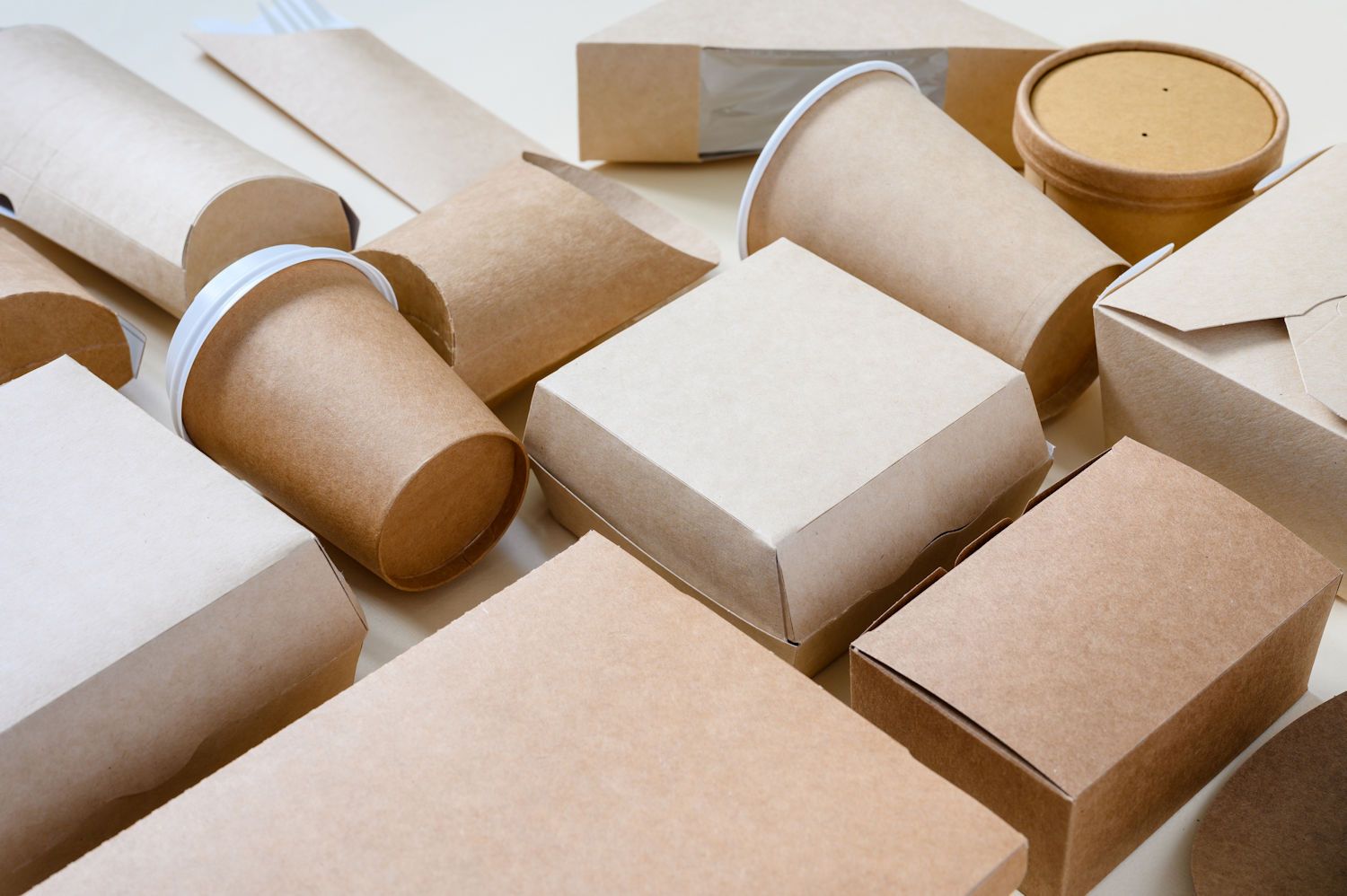
Best replacement: Fibre clamshells and compostable paper containers
These are ideal for:
Burgers
Pasta
Rice dishes
Takeaway meals
They offer excellent insulation and presentation while remaining compliant.
5️⃣ Catering & Event Packaging
Best replacement: Compostable catering packaging sets
Includes:
Compostable plates and bowls
Kraft Board platters
Disposable trays
Eco-friendly cutlery
These solutions are increasingly required for councils, venues, and large-scale events.
Are “Biodegradable” and “Compostable” the Same?
No — and this matters for compliance.
Biodegradable
Breaks down over time
No guarantee of timeframe or conditions
Often not accepted under plastic-ban laws
Compostable
Breaks down within a defined timeframe
Requires specific conditions (industrial composting)
Certified to recognised standards (e.g. AS 4736)
👉 Compostable packaging is the safer, future-proof choice.
How to Choose the Right Disposable Packaging for Your Business
When selecting eco-friendly disposable packaging, consider:
By 2026 and beyond, disposable packaging will continue shifting toward:
Fibre-based materials
Clear compostability certification
Reduced mixed materials
Transparent sustainability claims
Businesses that adapt early gain a competitive advantage and build trust with eco-conscious customers.
Related Packaging Categories Commonly Used by Food Businesses
To meet current packaging regulations and sustainability requirements, many food and beverage businesses use a range of compostable packaging categories depending on their service needs. Commonly used options include:
Home compostable paper coffee cups, designed for hot beverages and manufactured with plant-based linings instead of conventional plastic coatings.
Certified compostable cold drink cups, suitable for cold beverages such as juices, iced coffees, and smoothies, and produced to recognised compostability standards.
Bagasse fibre clamshell containers, made from sugarcane by-product and widely used for takeaway meals due to their heat resistance and compostable properties.
Sugarcane plates, a sturdy, compostable alternative to plastic and polystyrene plates, commonly used for catering, events, and food service applications.
Frequently Asked Questions (FAQ)
What disposable food packaging is banned in Australia?
Plastic plates, bowls, cutlery, straws, trays, and polystyrene food containers are banned or restricted in many Australian states.
Are compostable food containers legal?
Yes. Certified compostable containers made from materials like bagasse or PLA are legal and widely accepted.
Is bagasse packaging better than plastic?
Yes. Bagasse is compostable, made from renewable sugarcane fibre, and performs well for hot and cold foods.
Are plastic straws banned in Australia?
Yes. Plastic straws are banned or restricted in most Australian states and territories and are commonly replaced by paper straws or other compostable alternatives.
Can compostable packaging go in home compost?
Some products can, but most require industrial composting. Always check certification and local council guidelines.
Is biodegradable packaging compliant with plastic bans?
Not always. “Biodegradable” alone does not guarantee compliance. Compostable certification is preferred.